
OUR SERVICES & APPROACH
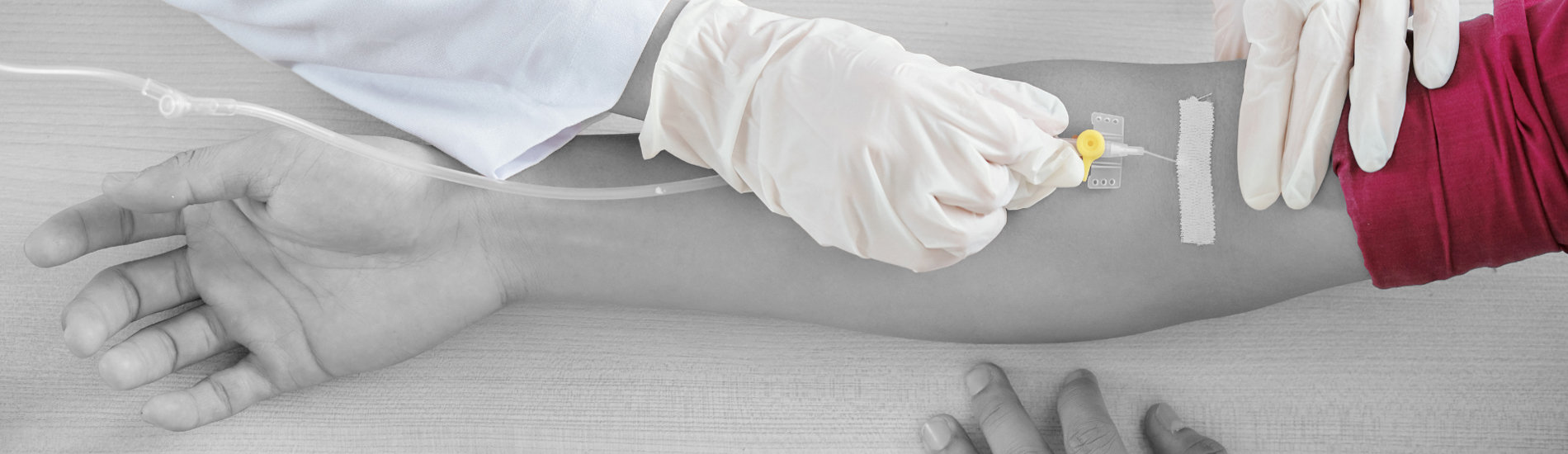
At Ferrocare, we specialise in the provision of intravenous iron infusions, offering rapid and effective treatment for iron deficiency anaemia.
This provides a fast and efficient way to replenish your iron stores, with many patients reporting noticeable improvements within days.
Treatment:
• Intravenous Iron Infusions: A fast and efficient way to replenish your iron stores, with many patients reporting noticeable improvements within days.
• Dietary Adjustments: Expert guidance on incorporating iron-rich foods into your diet to support long-term health.
• Oral Supplements: Recommendations for iron supplements when appropriate.
The Importance of Iron
Iron is an essential nutrient your body needs to function optimally.
It plays a critical role in maintaining your mental and physical health, as well as your energy levels.
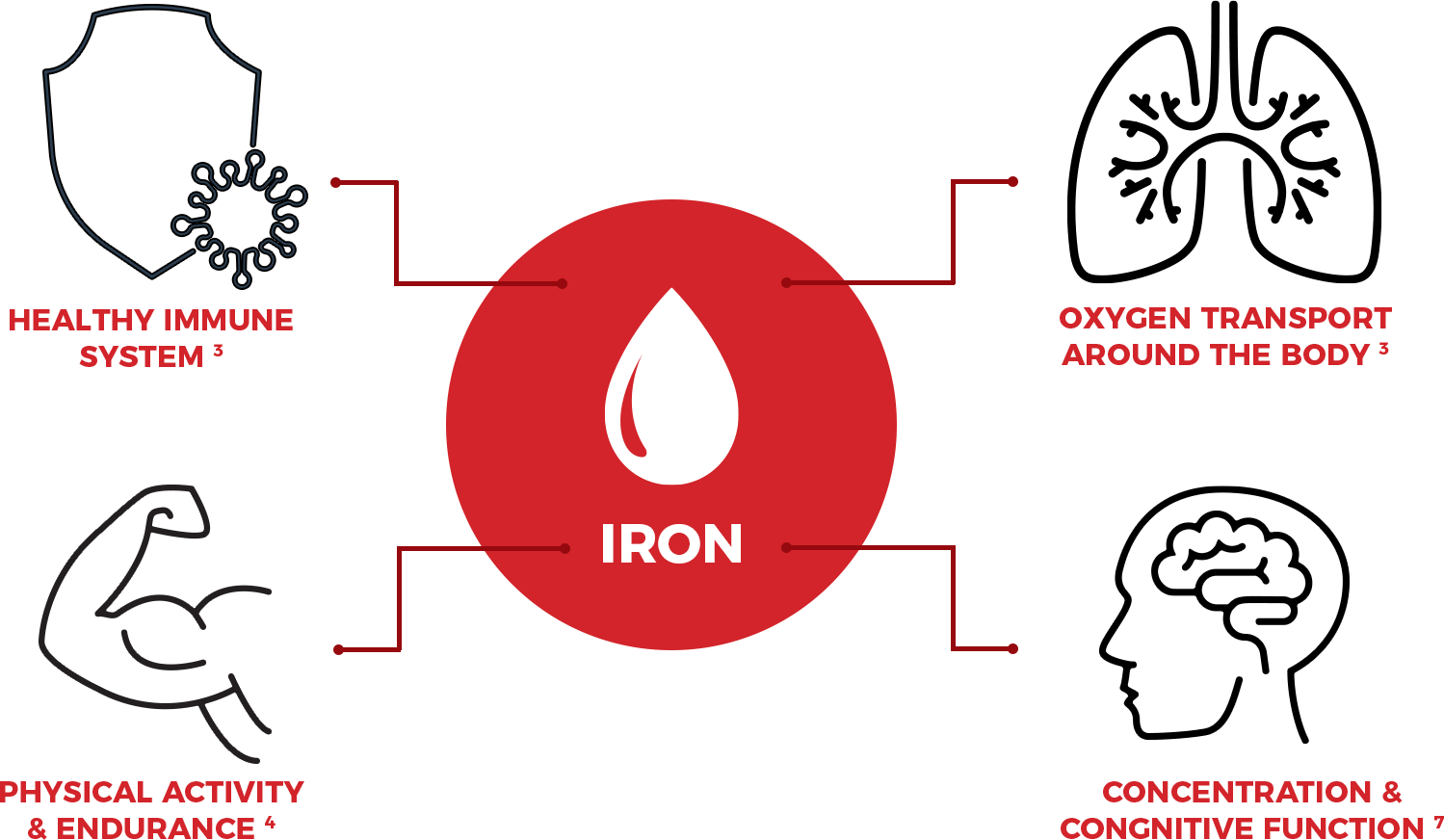
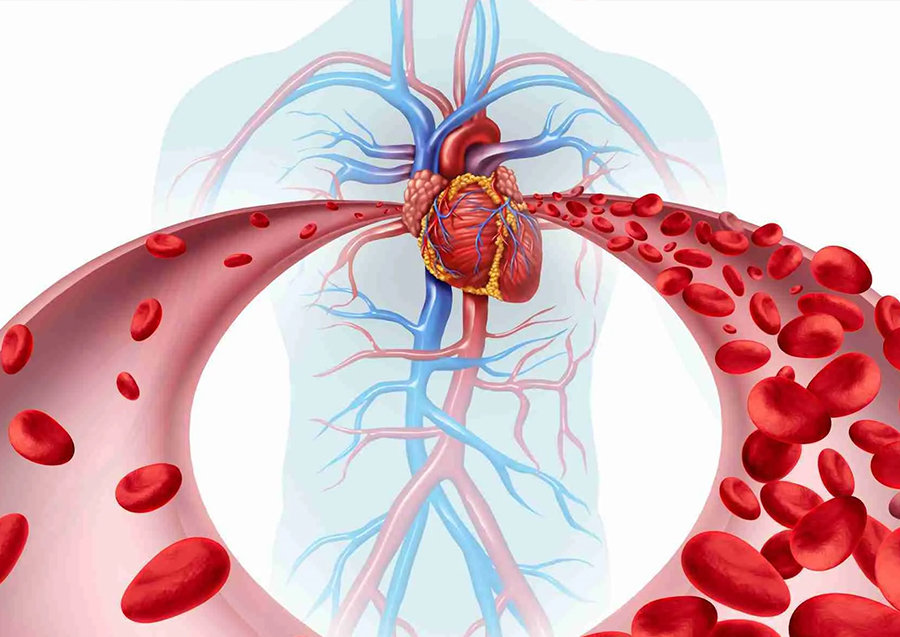
Iron is a key component of haemoglobin in red blood cells, which transports oxygen from your lungs to the rest of your body, enhancing concentration, physical stamina, and immune function.
Understanding Iron Deficiency
Iron deficiency is the most common nutrient deficiency globally, often occurring before anaemia develops.
As your iron levels deplete, your body produces fewer healthy red blood cells, leading to iron deficiency anaemia (IDA).
Symptoms can range from fatigue and mental fog to anxiety and palpitations.
Without treatment, iron deficiency can significantly impact your health and quality of life.
Recognizing the Symptoms
Persistent fatigue
Shortness of breath
Palpitations
Headaches
Restless legs
Hair loss
Brittle nails
Cold intolerance
Cravings for non-food items
INTRAVENOUS IRON INFUSION PROCEDURE
What to Expect
Before Your Intravenous Infusion Before we begin your intravenous (IV) infusion, our staff will explain the procedure to ensure you are comfortable and informed. The process involves delivering medication or fluids directly into your bloodstream using an IV cannula. This will be inserted by a skilled and experienced nursing sister.
The IV Insertion Process
1. Selecting the Vein:
The nursing sister will assess your veins to select the most suitable one for the infusion. This is typically a vein in your forearm or hand.
A tourniquet is applied to make the vein more prominent.
2. Inserting the Cannula:
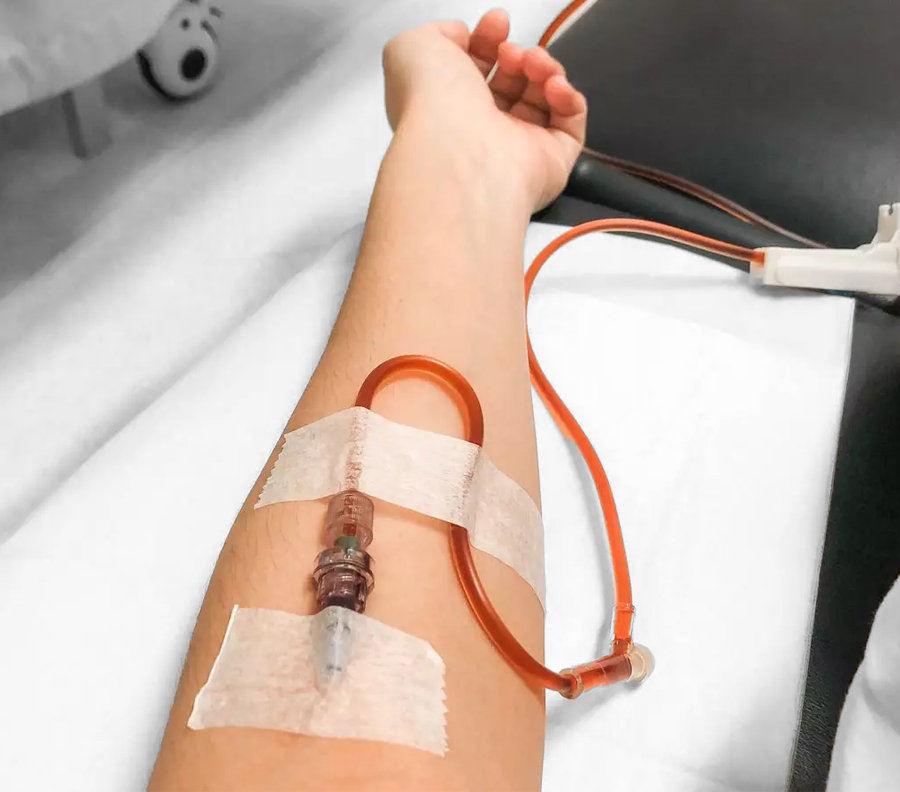
A small plastic tube (cannula) is inserted into the vein using a needle.
Once the cannula is in place, the needle is removed, leaving the flexible cannula through which the medication or fluid is administered.
The tourniquet is then removed, and a plaster is applied to secure the cannula.
3. Starting the Infusion:
Discomfort is usually minimal and should subside shortly after the needle is removed.
The infusion begins once the IV line is in place.
If you experience any discomfort at the IV site, please inform the staff immediately.
After the Infusion
Removing the Cannula:
Once the infusion is complete, the cannula is removed, and pressure is applied to the site to stop any bleeding.
You may experience some bruising and irritation at the IV site for a few days following the infusion.
Monitoring for Infection:
While the risk of infection is small, it is important to monitor the IV site for the next 7 days for any signs of redness or pain.
If you notice any symptoms of infection or have concerns, please contact your doctor or the infusion center for advice.
IRON DEFICIENCY ANAEMIA
The Prevalence and Impact
Iron deficiency is the leading cause of anaemia worldwide, affecting a significant percentage of the population, particularly women aged 15 to 50. It can also frequently occur in patients with chronic illnesses such as cancer, inflammatory bowel disease, heart failure, and chronic kidney disease.
Left unchecked, iron deficiency can exacerbate these conditions, leading to increased hospitalizations and reduced quality of life.
Why Iron is Crucial
Iron is vital for maintaining your mental and physical health. It is a key component of haemoglobin, which is essential for transporting oxygen throughout your body.
Adequate iron levels support your brain's cognitive functions and your muscles' physical performance, as well as your immune system.
SYMPTOMS & SIGNS
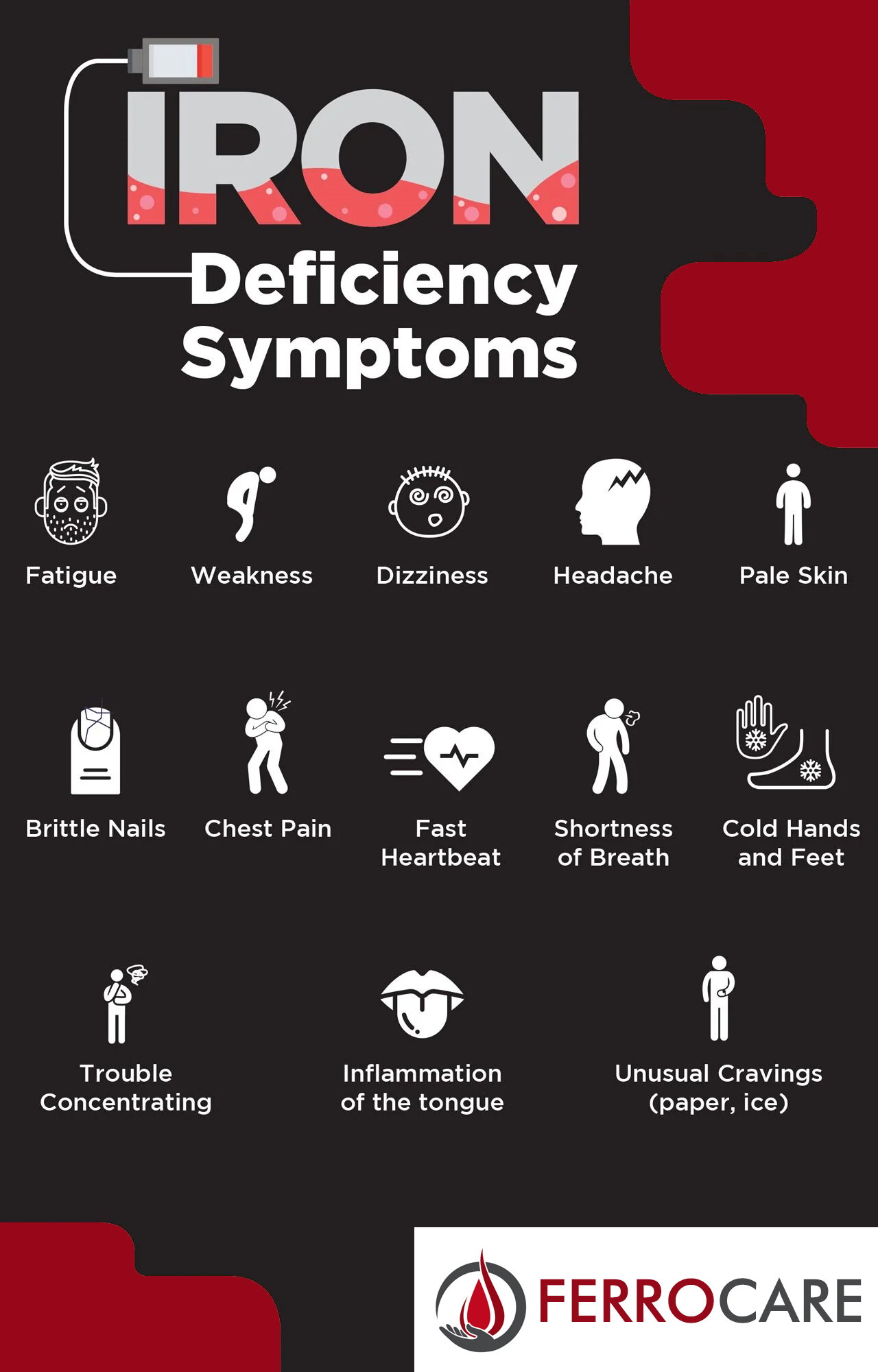
Recognise the Indicators
Fatigue, headaches, and irritability are common symptoms of iron deficiency.
However, there are several other signs to be aware of, including:
Shortness of Breath and Racing Heart: Even during mild physical activity, your body may struggle to deliver enough oxygen to your muscles.
Sore Tongue or Dry Mouth: Unexplained soreness or dryness can be indicative of low iron levels.
Mouth Ulcers and Cracks: Persistent ulcers or cracks at the corners of your mouth could signal iron deficiency.
Cold Intolerance: Frequently feeling cold, even in warm environments, can be a symptom.
Unusual Cravings: A desire to eat non-food items, known as pica, often indicates a deficiency.
Restless Legs: A compelling need to move your legs when resting.
Hair Loss: Significant hair loss can be a result of low iron.
Brittle Nails: Nails that chip and crack easily or have a spoon-shaped appearance.
Headaches: Frequent headaches that do not seem to have another cause.
Increased Susceptibility to Infections: Iron is essential for a healthy immune system, and deficiency can lead to more frequent infections.
Dizziness and Irritability: These can be signs that your brain is not getting enough oxygen.
Bruising and Pallor: Pale skin and increased bruising can indicate iron deficiency anaemia.
Consult with your GP if you experience any of the symptoms and request Hb and iron studies to be done.
Why Iron Infusions are Beneficial When Oral Supplements Are Not Working
Rapid Correction of Iron Deficiency:
Iron infusions quickly replenish iron stores, especially beneficial in cases where oral supplements have failed to increase iron levels sufficiently.
Higher Absorption Rate:
Infused iron bypasses the digestive system, ensuring 100% absorption, which is particularly useful for patients who cannot adequately absorb iron through oral supplements.
Fewer Gastrointestinal Side Effects:
Oral iron supplements often cause gastrointestinal issues such as constipation, nausea, and stomach cramps. Iron infusions significantly reduce these side effects as they are administered directly into the bloodstream.
Convenience:
Iron infusions require fewer doses over time, providing a convenient alternative for patients who struggle with daily oral supplements due to forgetfulness or side effects.
Effectiveness in Certain Conditions:
Patients with chronic kidney disease, inflammatory bowel disease, or those undergoing chemotherapy may benefit more from iron infusions due to their higher iron needs and reduced ability to absorb oral iron.
Suitable for Severe Deficiencies:
In cases of severe iron deficiency anemia, iron infusions can provide a faster and more effective treatment compared to oral supplements.
Improvement in Quality of Life:
By rapidly addressing iron deficiency, patients often experience a quick improvement in energy levels, reducing fatigue and enhancing overall quality of life.